



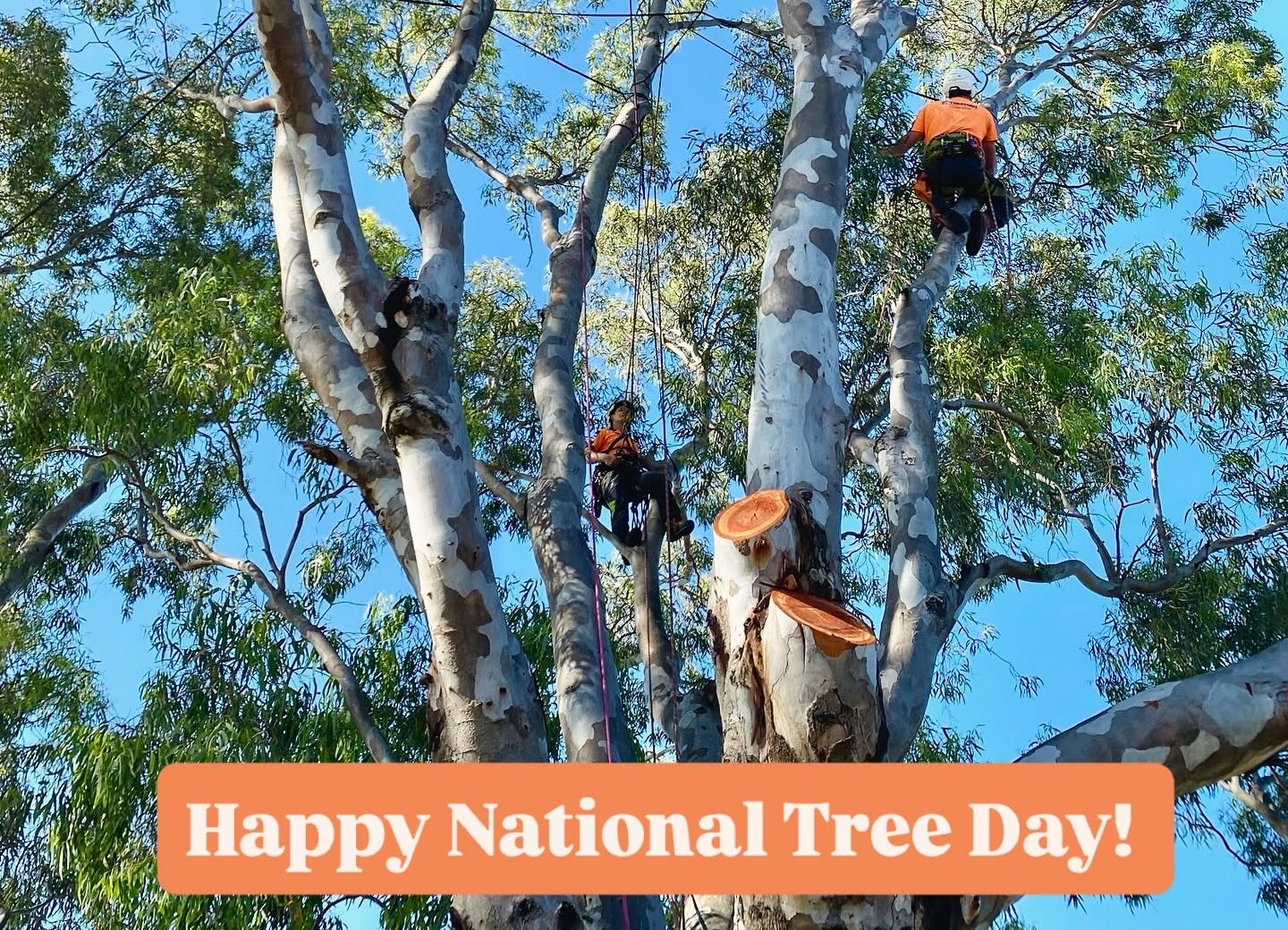
As National Tree Day approaches this Sunday, July 26th, Australians everywhere are getting their hands dirty, planting native saplings, and celebrating the incredible environmental benefits our trees provide. But while it is a fantastic time to plant new life, it is equally important to look after the established giants already shading our backyards.
Trees are incredibly resilient, but they are also masters of disguise. To the untrained eye, a massive gum tree or a sprawling oak might look like the picture of health. However, beneath the bark and high up in the canopy, there could be subtle warning signs of impending failure. That is where a qualified arborist comes in. At Treeman Melbourne, our arborists are trained to see what you might miss.
Here are five hidden signs an arborist can spot before you do.
Hidden decay
Internal decay is one of the most dangerous issues a tree can face because it is almost entirely invisible from the outside. Wood-decaying fungi or pests can hollow out the trunk, compromising the structural integrity of the tree. By the time mushrooms appear on the bark, the internal damage is often severe. An arborist knows how to sound the trunk, inspect the root flare, and detect hollow areas before the tree becomes a critical falling hazard.
Weak branch unions
Not all branches are securely attached. Some branches suffer from included bark, meaning the bark is squeezed between two growing stems, preventing a strong wood-to-wood connection. While the branch might look perfectly healthy and full of green leaves, it is a structural defect just waiting for a strong Melbourne windstorm to tear it apart.
Early disease
Just like a subtle cough before a terrible flu, trees show early symptoms of disease that are easily overlooked. A professional arborist will notice minor changes in the texture of the bark, premature leaf discolouration, or a slight thinning in canopy density. Identifying these subtle shifts early can mean the difference between saving the tree with a targeted treatment plan and having to remove it completely.
Deadwood high in the canopy
When you look up at a tree, the bright green foliage naturally draws your eye. But arborists look deeper into the crown. Dead branches, often overshadowed by the living canopy, are quietly deteriorating. Over time, these brittle limbs can snap and fall without warning, posing a significant risk to anyone walking below. Regular pruning by a professional ensures these hidden hazards are safely removed.
Developing hazards
Trees are dynamic, growing organisms that interact constantly with their environment. An arborist can foresee future problems by identifying developing hazards. This might include branches that are beginning to rub against each other, creating open wounds. It could also mean spotting early signs of root instability near underground pipes or driveways. Catching these issues early prevents minor annoyances from turning into expensive problems.
This National Tree Day, do not just appreciate the beauty of your trees; invest in their longevity. To celebrate, Treeman Melbourne is offering an exclusive promotion for our clients. For any new quotes requested between Sunday, July 26th and August 22nd 2026, you can save $50 on jobs under $1,000, save $100 on jobs of $1,000 or more, and save $200 on jobs of $2,000 or more. Simply mention the phrase ‘national tree day’ when you contact us.
Protect your home, your family, and your beautiful trees by booking an inspection with Treeman Melbourne today.